
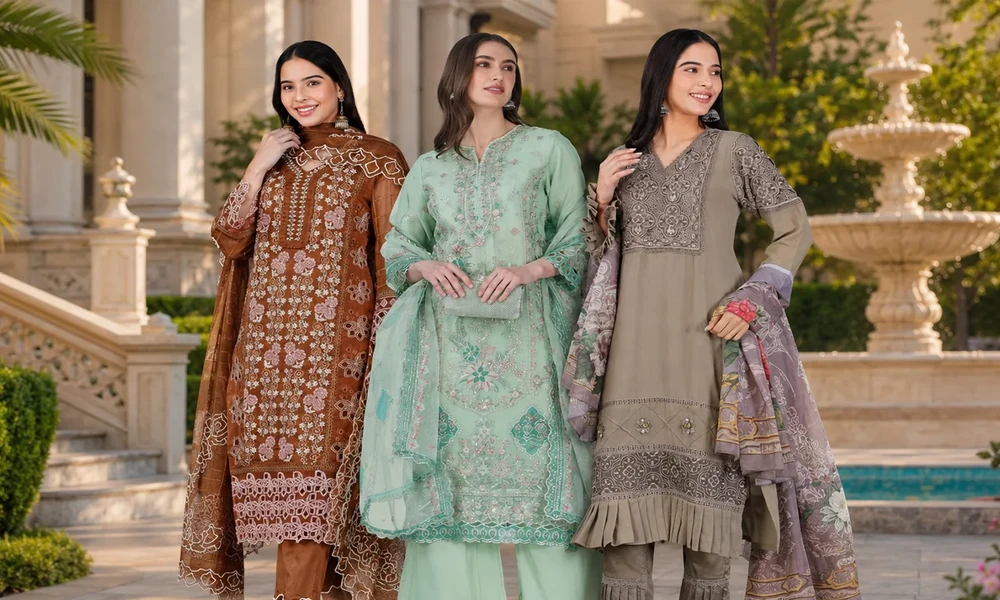
Buying ethnic wear well comes down to knowing which details to check before the order is placed. The pieces that hold up across seasons do so for consistent reasons. The fabric suits the climate, the length pairs cleanly with what is already in the wardrobe, and the embellishment stays intact well past the first few washes.
Start With Fabric, Not Appearance
Cotton and linen are daily options that work best. Chanderi and georgette work for festive and semi-formal events. Silk belongs to specific occasions and needs dry cleaning. Polyester can be made to look like any of these from a photograph, which is why reading the fabric composition in the product details matters more than going by appearance.
Krita stays consistent on this across its ethnic range.
The Adaptability Checklist
Five things worth checking before adding any ethnic piece to the cart.
| Check | What to Look For | Why It Matters |
| Fabric content | Natural or quality blend | Comfort and durability |
| Kurta length | Hip, thigh, or calf | Determines bottom pairing options |
| Embellishment type | Thread, print, or heavy stone | Affects care and occasion range |
| Colour | Solid, tonal, or busy print | Impacts how many ways it can be styled |
| Fit at shoulder | Seam placement | Hardest to alter post-purchase |
Construction: The Detail Most People Skip
Fraying seams and uneven neckline stitching are visible indicators of how a piece will behave after ten washes. Embroidery that sits slightly raised at the edges is the first thing to loosen.
Siyahi is worth paying attention to here. Their construction finishes show up in longevity rather than just in the first wear.
Wash Durability Is Not An Afterthought
Cold gentle machine cycles work for most Siyahi cotton and cotton-blend pieces. Embellished ethnic wear from any brand benefits from being turned inside out and kept away from the dryer entirely. Dark base fabrics, particularly navy and burgundy, bleed in the first two to three washes and should be kept separate until they stabilise.
What Makes A Piece Actually Adaptable
Solid or tonal colour over all-over print. Kurta length that works with at least two different bottom types. Embellishment at the neckline or hem rather than scattered across the whole garment. Krita builds to these criteria consistently, which is why their pieces end up appearing in more wardrobe combinations than most buyers anticipate.
To Wrap Up
Siyahi and Krita are both worth exploring for ethnic wear that holds its construction and its place in the wardrobe. AJIO carries 1,000+ options across both brands. Returns are accepted within 30 days of delivery.
FAQs
How do I check fabric quality when buying ethnic wear online?
The fabric composition field in the product details is more reliable than the product name or description. A piece called Premium Silk that lists polyester in the composition is polyester. Natural fibre percentages and blend ratios are the numbers that matter.
Knee-length or just above. It sits well over palazzos, straight salwars, cigarette pants, and jeans without creating proportion issues at the hem. Longer lengths start requiring specific bottom choices to avoid the outfit reading as shapeless.
Cold hand-washing with no machine spin: ten to fifteen washes in most well-made pieces. Machine washing shortens this significantly, even on delicate cycles. The threads around embellishment edges are what go first.
On pieces worn regularly, yes. A better-made kurta that gets reached for three times a week over two years has a very different cost-per-wear story than a cheaper one that fades after month four and gets pushed to the back of the wardrobe.
Ask how many different outfit combinations it can anchor before clicking add to cart. One is a special occasion buy. Three or more is a wardrobe piece. The answer should be honest, not optimistic.

Comments are closed.